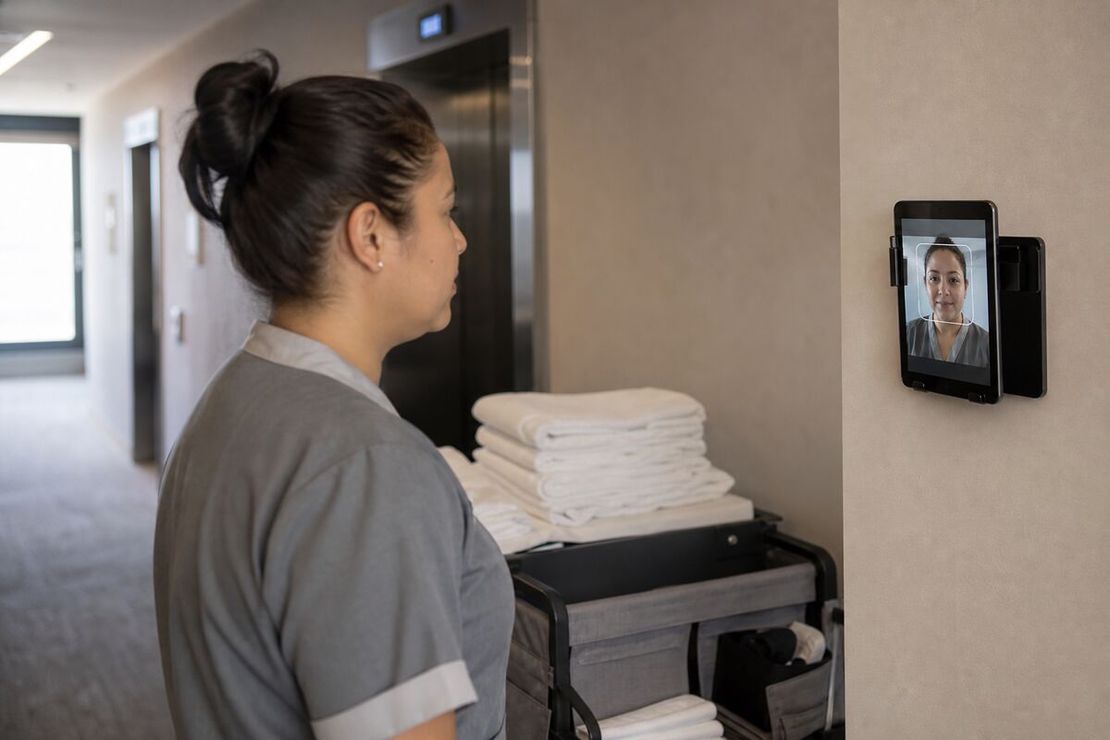
Hotel time clock: one tablet at the staff entrance for housekeeping, kitchen and the night desk
A 90-room hotel runs on more shifts than most people guess. Breakfast cooks at 5:30. Housekeeping from 8 to whenever the last checkout is turned. Front desk in three rotations. A night auditor who starts at 11 p.m. and leaves after the morning arrivals report. Maybe a banquet crew on Saturdays that nobody has seen since last Saturday.
Read More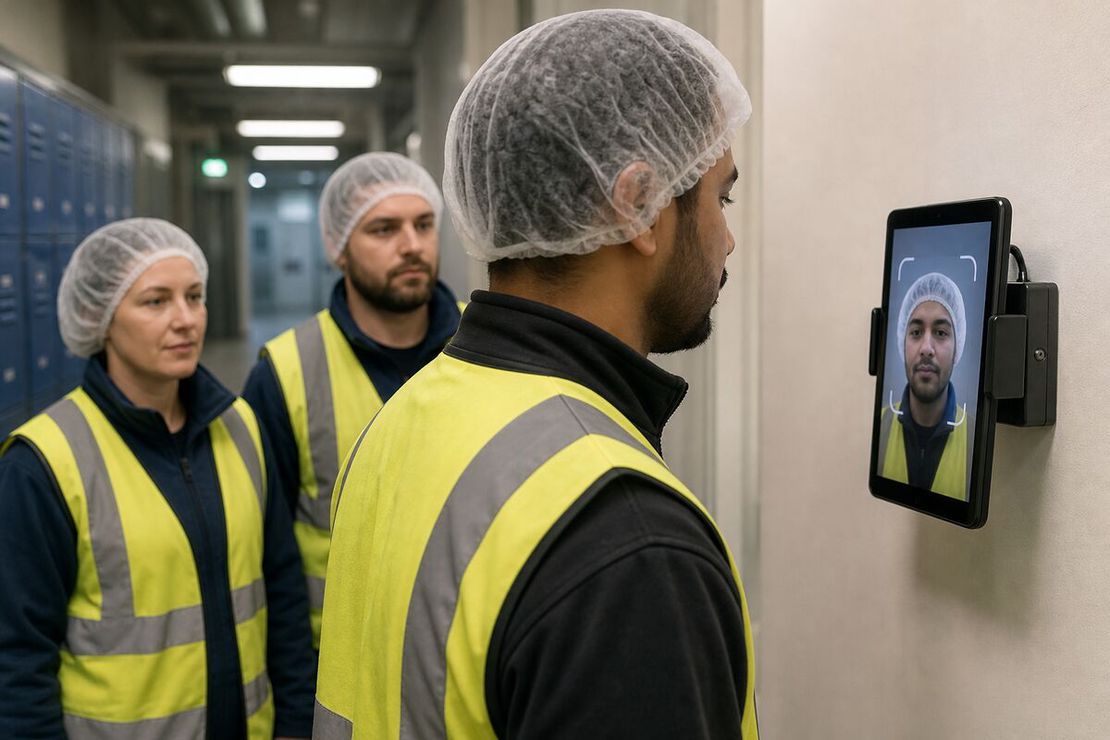
Time clock for staffing agencies: proving temp workers' hours at the client's door
Every staffing coordinator knows the Monday email. The client says 22 temps worked last week. The agency’s timesheet says 26. Somewhere between the two is a forklift driver who “was definitely there Thursday” and a packer who signed in for a friend.
Read More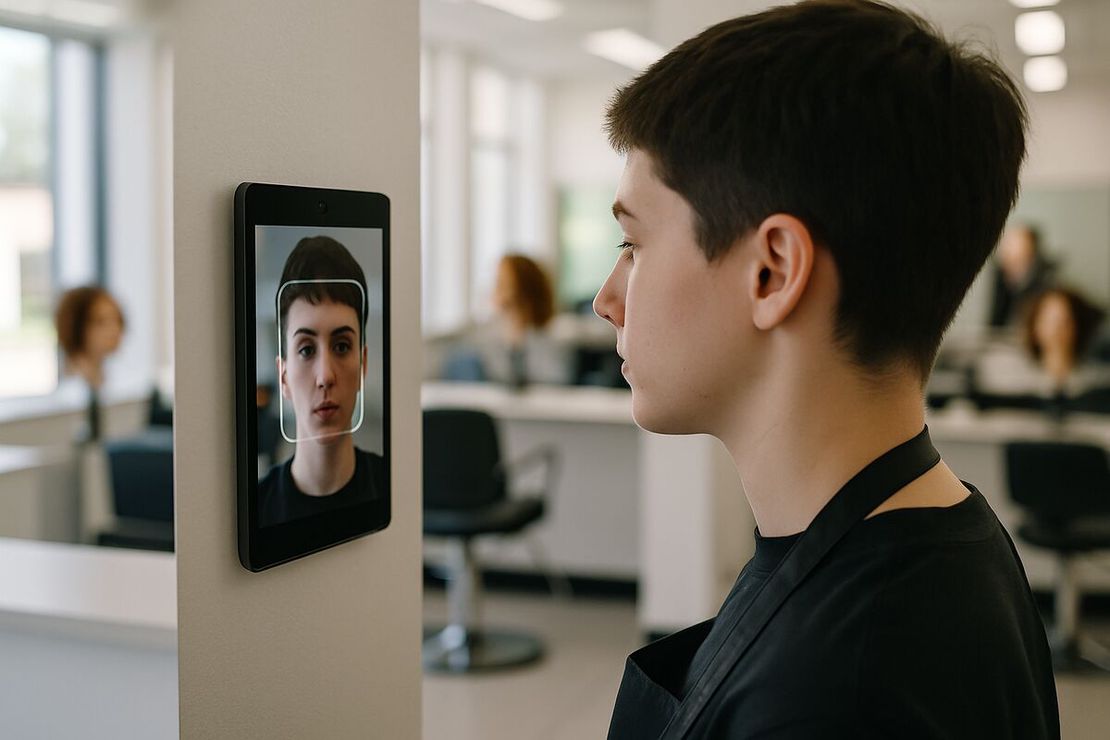
Cosmetology school time clock: tracking student clock hours without buddy punching
Imagine a student two weeks from her state board exam who finds out she’s 40 hours short. She swears she was there. The sign-in sheets say otherwise, or say nothing at all, because half of them are in a binder nobody can find. Now the school has to decide whether to certify hours it can’t prove.
Read More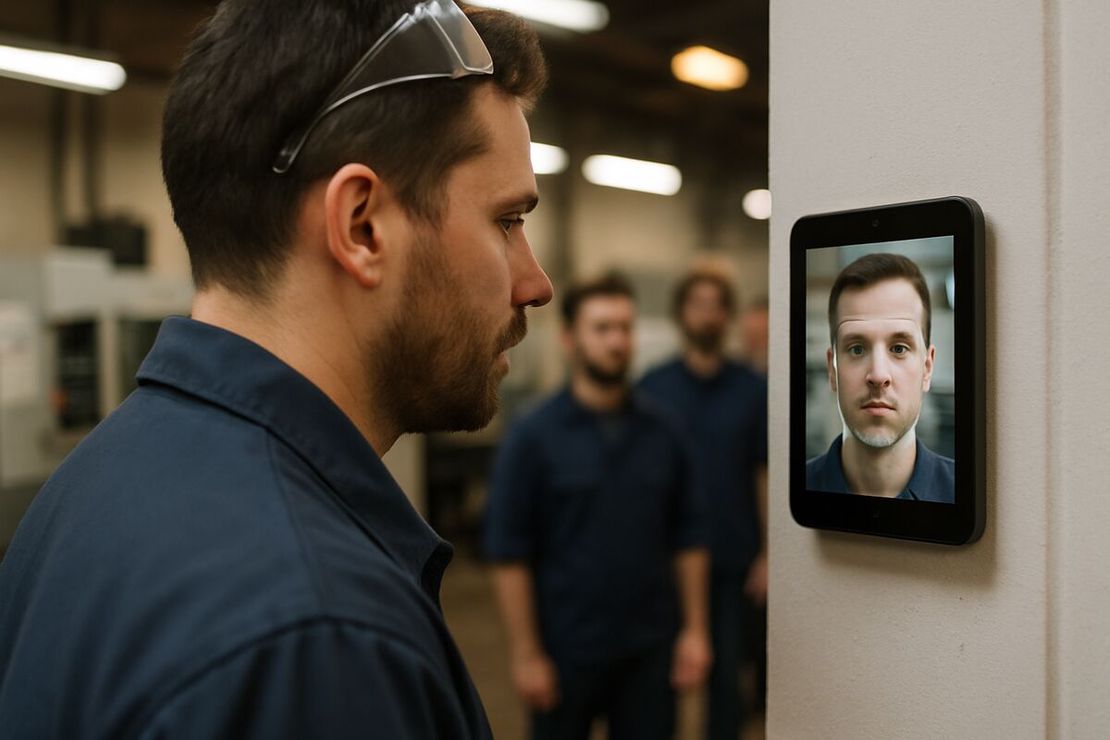
Manufacturing time clock: face clock-in for small factories and workshops running shifts
In a lot of small factories the time clock is the oldest machine in the building. A punch-card clock bolted next to the door, a rack of cards, and a shift supervisor who knows exactly whose card gets punched by whom. It works fine. Right up until someone checks.
Read More
How to track employee hours without sending a single byte to the cloud
There’s a quiet assumption baked into almost every time-tracking product on the market: that an employee’s clock-in event is a piece of data that should be uploaded somewhere. Usually to the vendor’s cloud. Sometimes mirrored across three regions for “redundancy.” Often retained indefinitely under a vague “as long as needed for the service” clause.
Read More