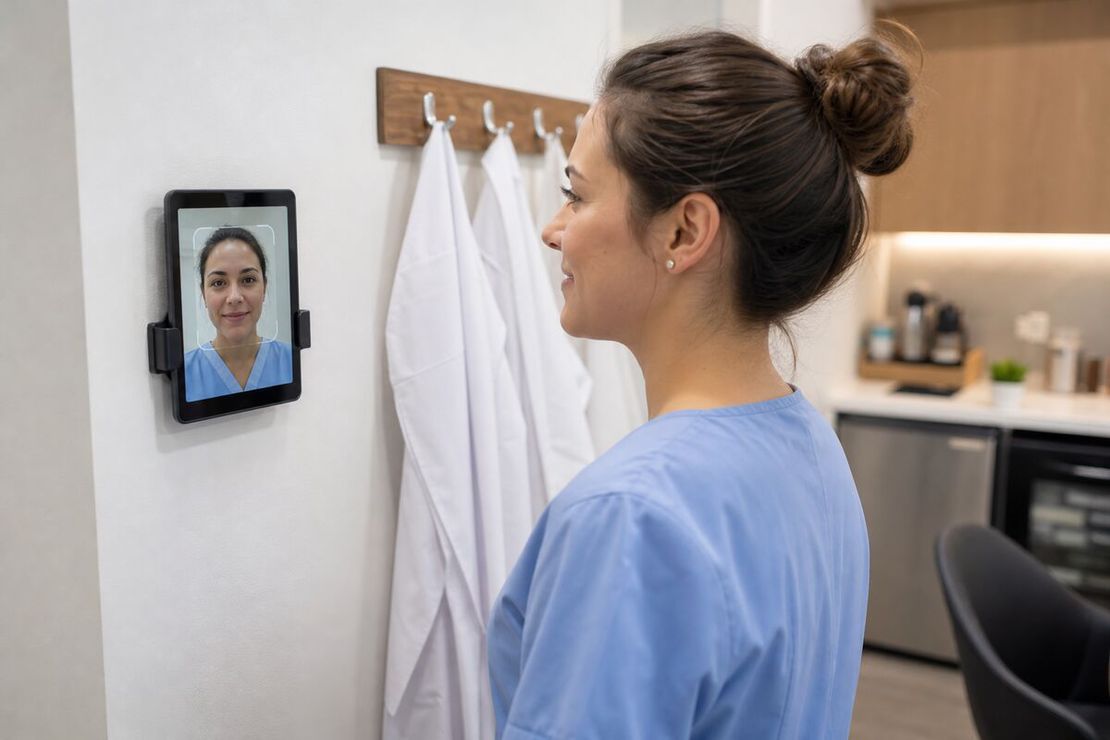
Dental clinic time clock: clocking in hygienists and assistants without touching a shared keypad
A dental practice with two dentists usually has 8 to 15 people on payroll. Two or three assistants, a couple of hygienists who may also work at another practice on Tuesdays, a receptionist, a practice manager, someone part-time on billing.
Read More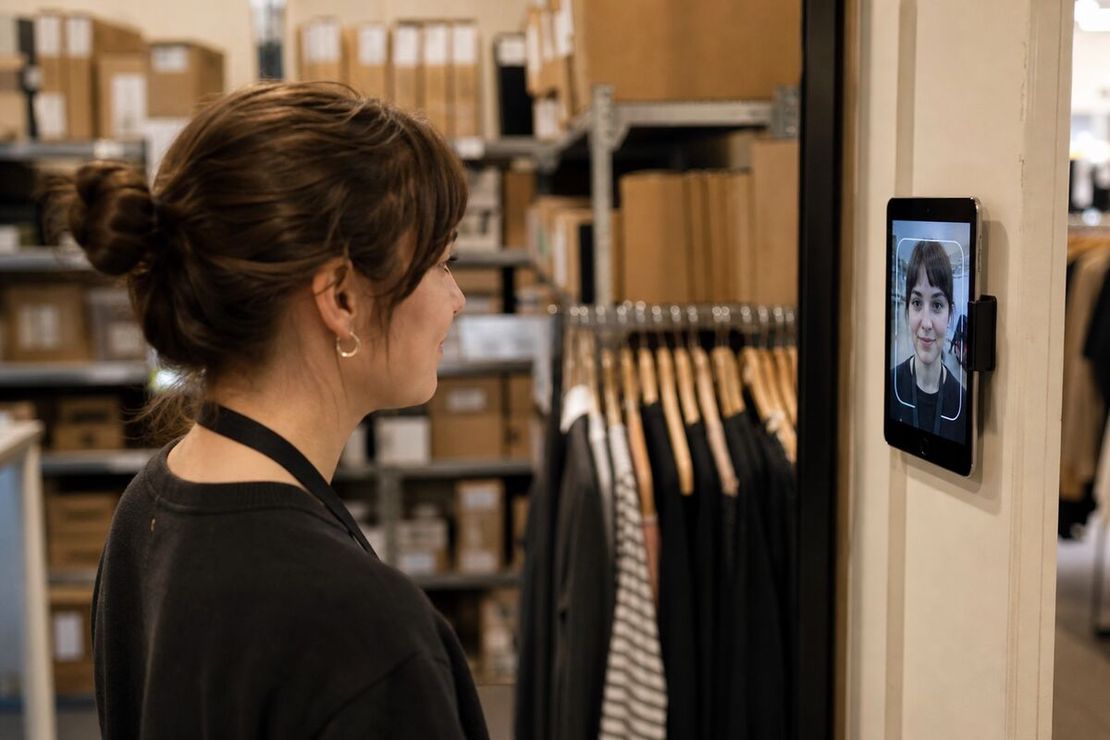
Retail store time clock: a tablet in the stockroom instead of PINs at the register
In a lot of small shops, clocking in happens at the register. You type a four-digit code into the POS, the till prints nothing, and the hours go somewhere the owner looks at once a fortnight.
Read More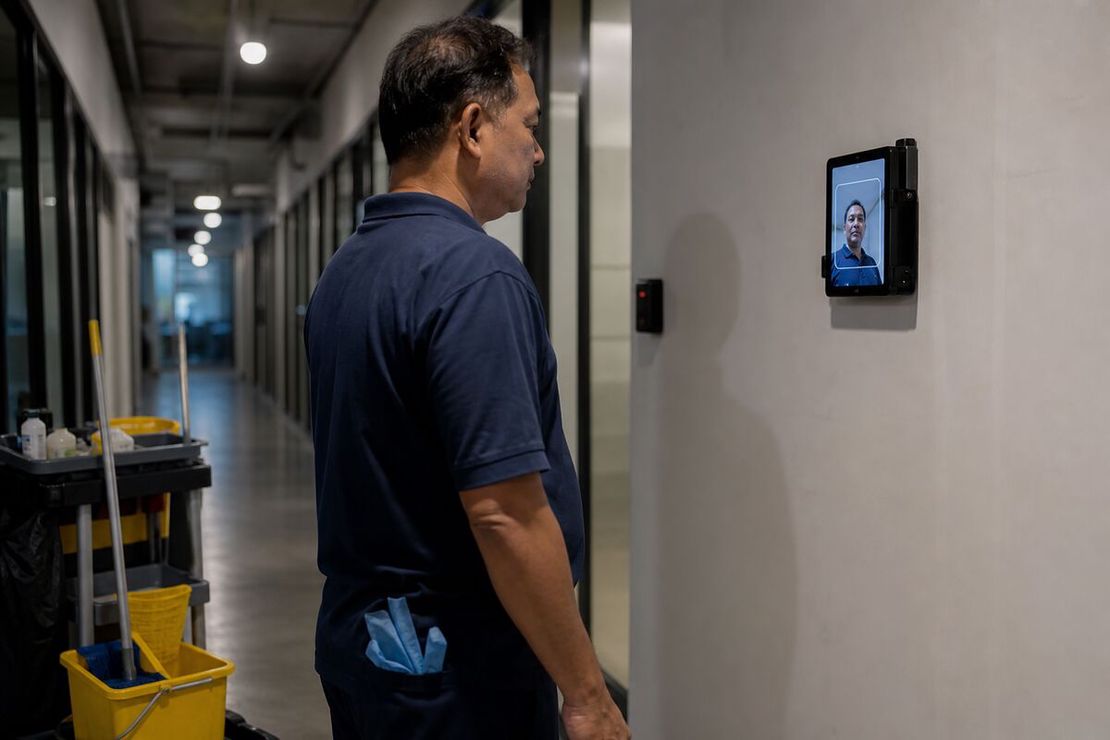
Time clock for cleaning companies: a tablet in the client's building for night crews
Contract cleaning has an awkward timekeeping problem. The work happens in somebody else’s building, usually after everyone has gone home, and the person paying for it never sees it being done.
Read More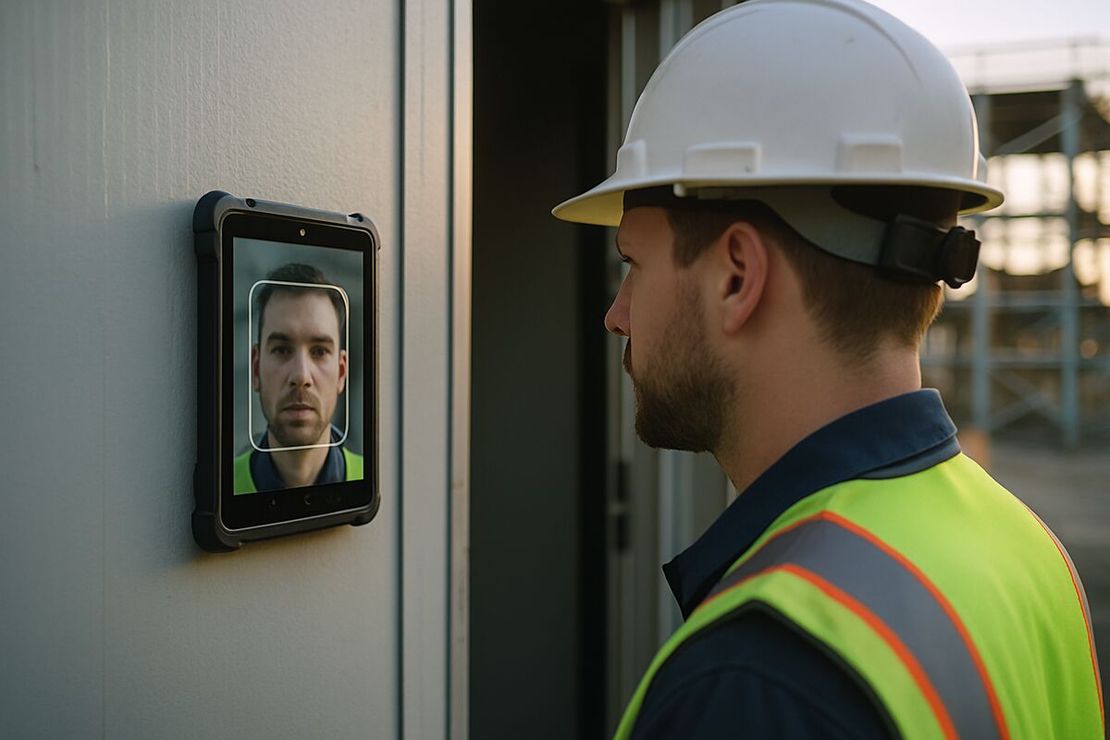
Construction time clock: clocking in crews at the site gate when there's no signal and no office
Picture a 14-person framing crew. Friday afternoon, the foreman hands in the week’s sheet and it has 17 names on it. Three of them are cousins of somebody, or a guy who came for one day in March, or nobody at all. Nobody is going to prove which.
Read More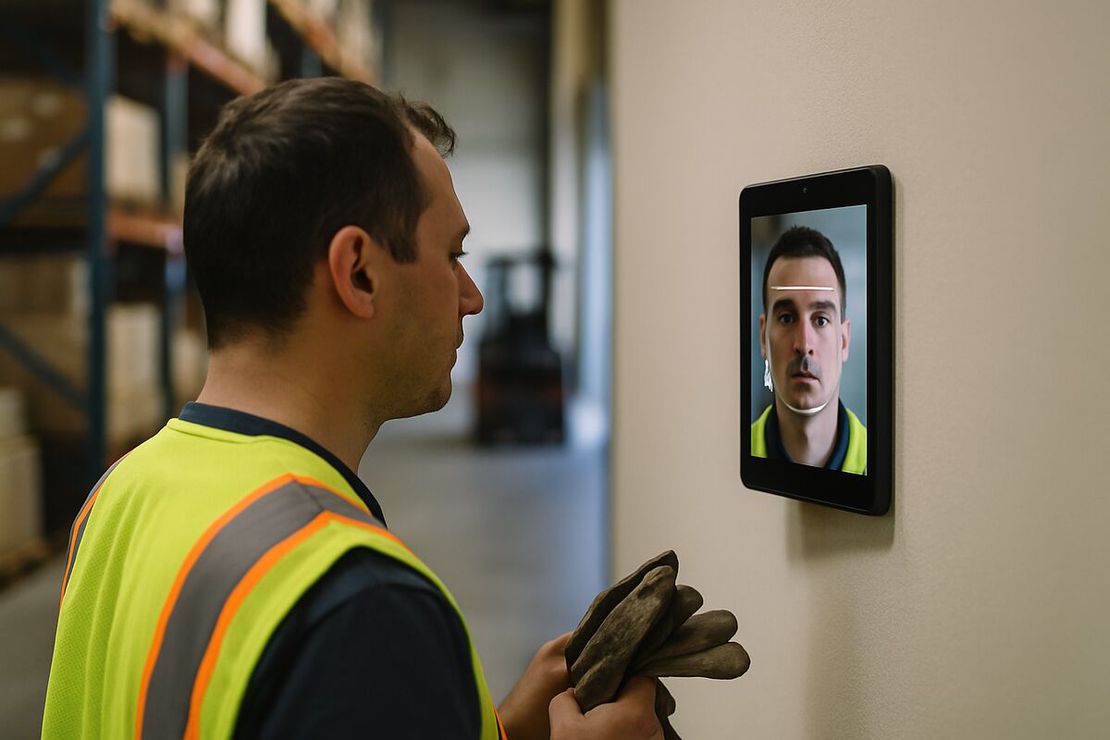
Warehouse time clock: face clock-in for pickers, packers and temp staff at one dock door
The week before Black Friday, a mid-size warehouse might go from 40 people on a shift to 85. Most of the new ones arrived through an agency on Monday. By Thursday nobody on the floor knows half the names, the fire marshal wants to know who’s in the building, and the agency has already emailed asking for the hours report.
Read More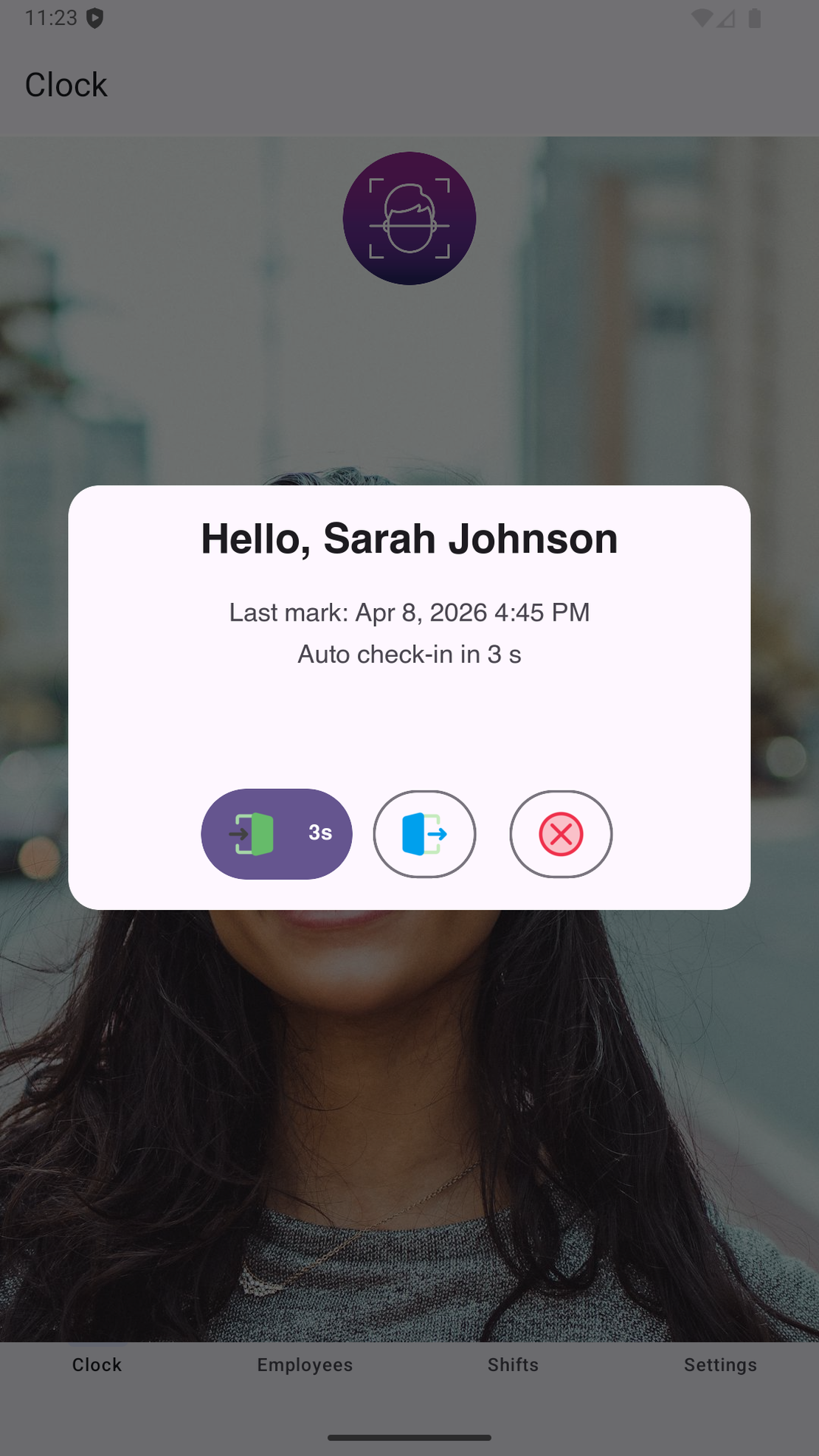
Facial recognition time clocks - how they work and what to check before you pick one
A facial recognition time clock does one job: someone stands in front of a camera at the start of a shift, the system works out who it is, and a timestamp goes into a log. Same at the end.
Read More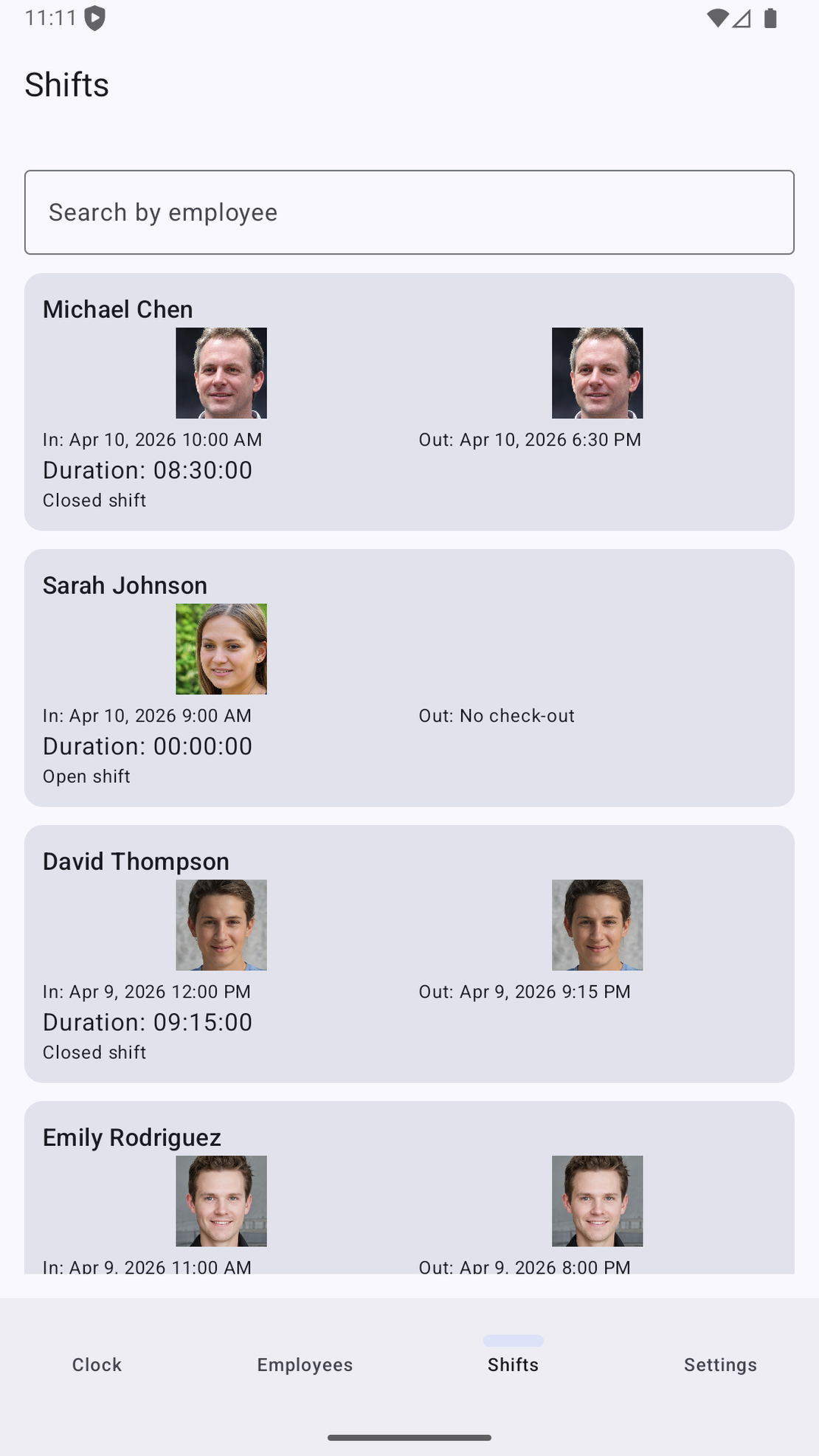
How to track employee hours without sending a single byte to the cloud
There’s a quiet assumption baked into almost every time-tracking product on the market: that an employee’s clock-in event is a piece of data that should be uploaded somewhere. Usually to the vendor’s cloud. Sometimes mirrored across three regions for “redundancy.” Often retained indefinitely under a vague “as long as needed for the service” clause.
Read MoreTime tracking for cafes and restaurants - what actually works on a busy Saturday
A friend of mine runs a coffee shop in Lisbon. Twelve staff, three managers on rotation, a constantly-shifting student crew. Last summer he sent me a long voice note around 2 a.m. on a Sunday. The gist of it: their cafe’s WiFi had crapped out at 11 a.m. on Saturday, taking down the time-tracking app that runs on the iPad by the till. Nobody could clock in for four hours. Nobody knew whether to wait it out or scribble names on a napkin. By the end of service the shift log had gaps in seven different places, and reconstructing payroll for that day cost him most of his Sunday.
Read More