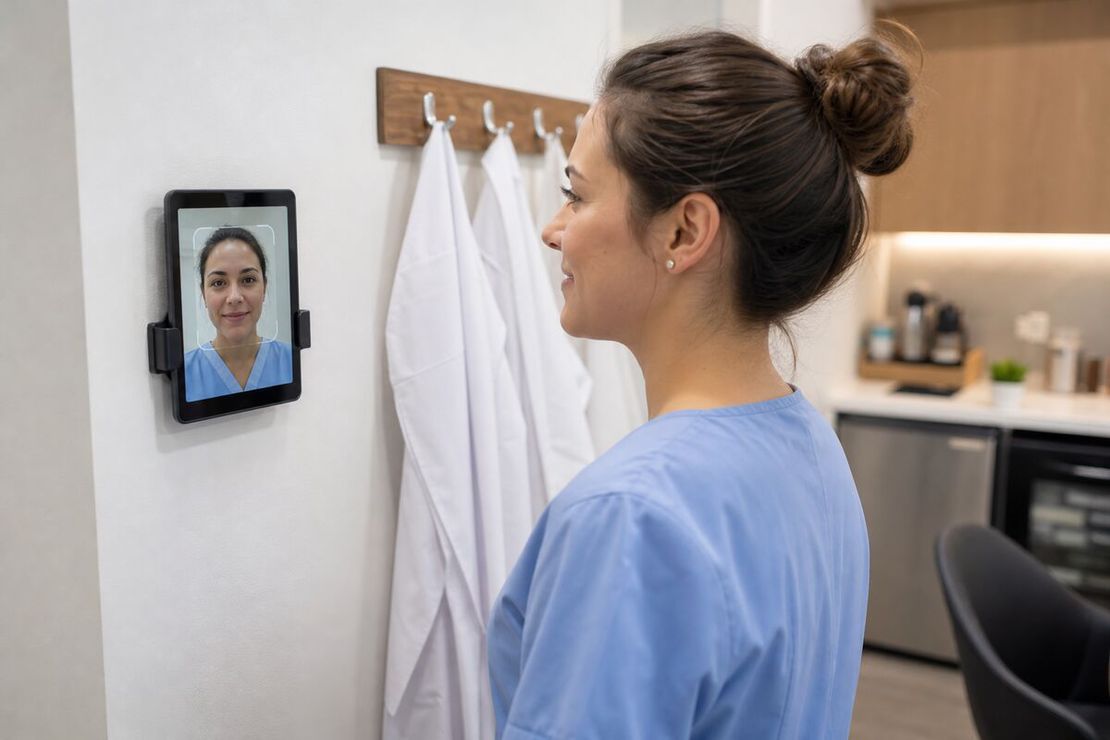
Dental clinic time clock: clocking in hygienists and assistants without touching a shared keypad
A dental practice with two dentists usually has 8 to 15 people on payroll. Two or three assistants, a couple of hygienists who may also work at another practice on Tuesdays, a receptionist, a practice manager, someone part-time on billing.
Read More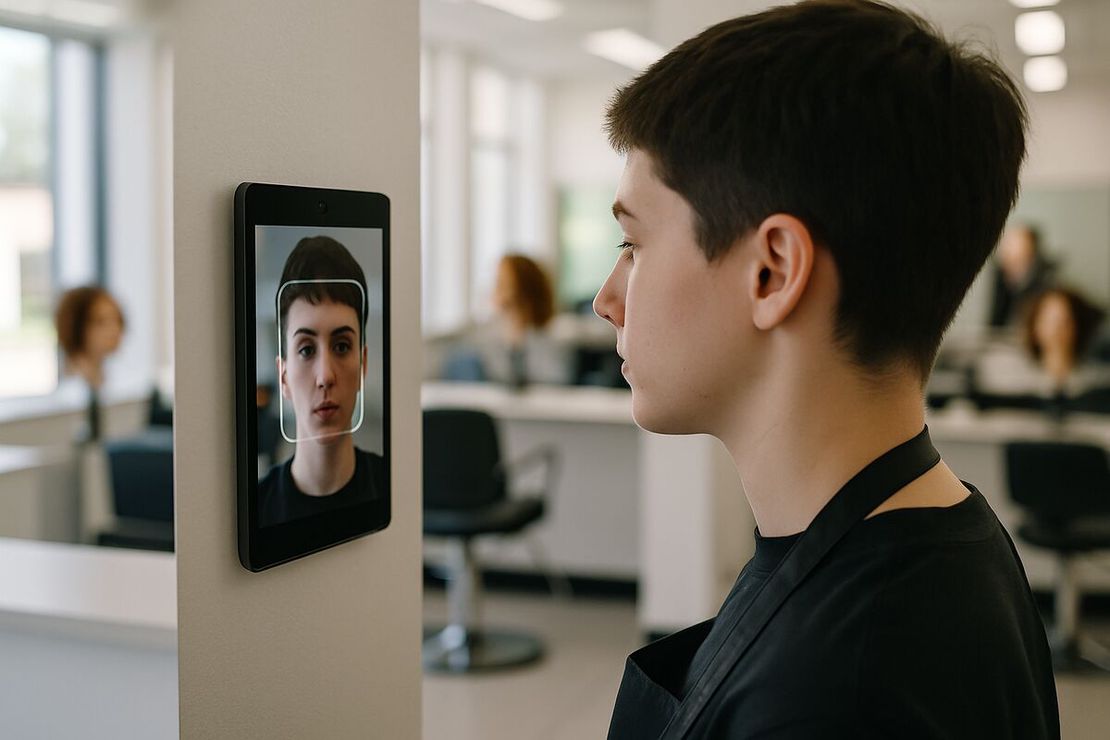
Cosmetology school time clock: tracking student clock hours without buddy punching
Imagine a student two weeks from her state board exam who finds out she’s 40 hours short. She swears she was there. The sign-in sheets say otherwise, or say nothing at all, because half of them are in a binder nobody can find. Now the school has to decide whether to certify hours it can’t prove.
Read More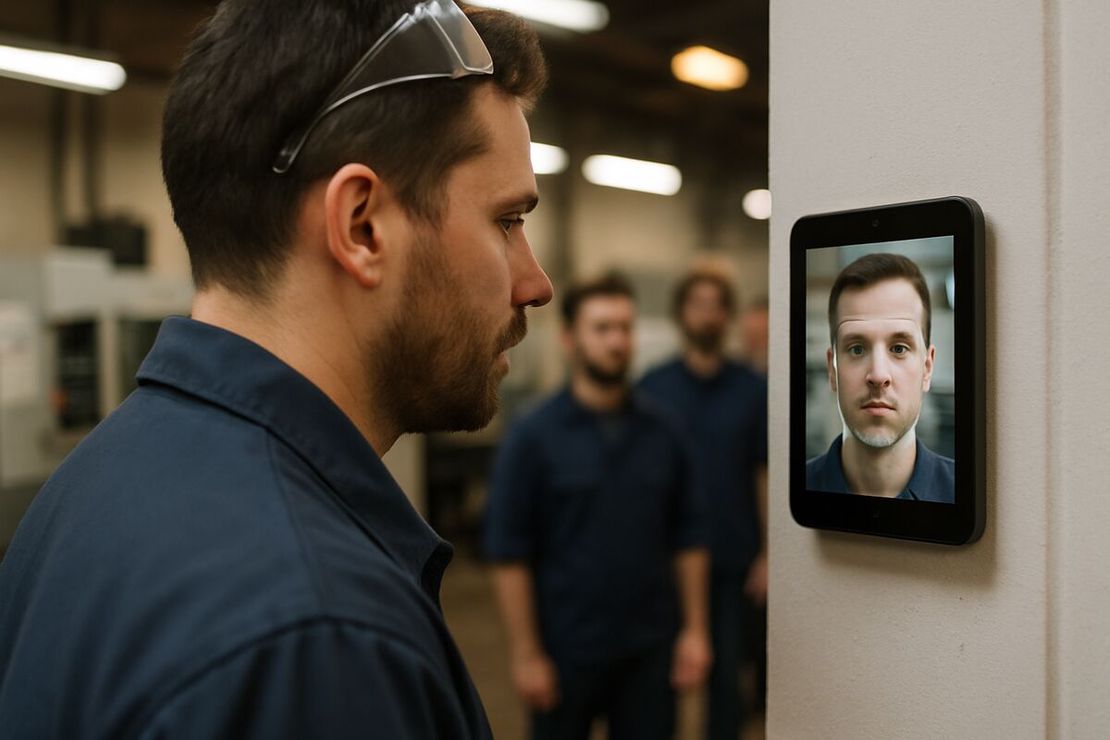
Manufacturing time clock: face clock-in for small factories and workshops running shifts
In a lot of small factories the time clock is the oldest machine in the building. A punch-card clock bolted next to the door, a rack of cards, and a shift supervisor who knows exactly whose card gets punched by whom. It works fine. Right up until someone checks.
Read More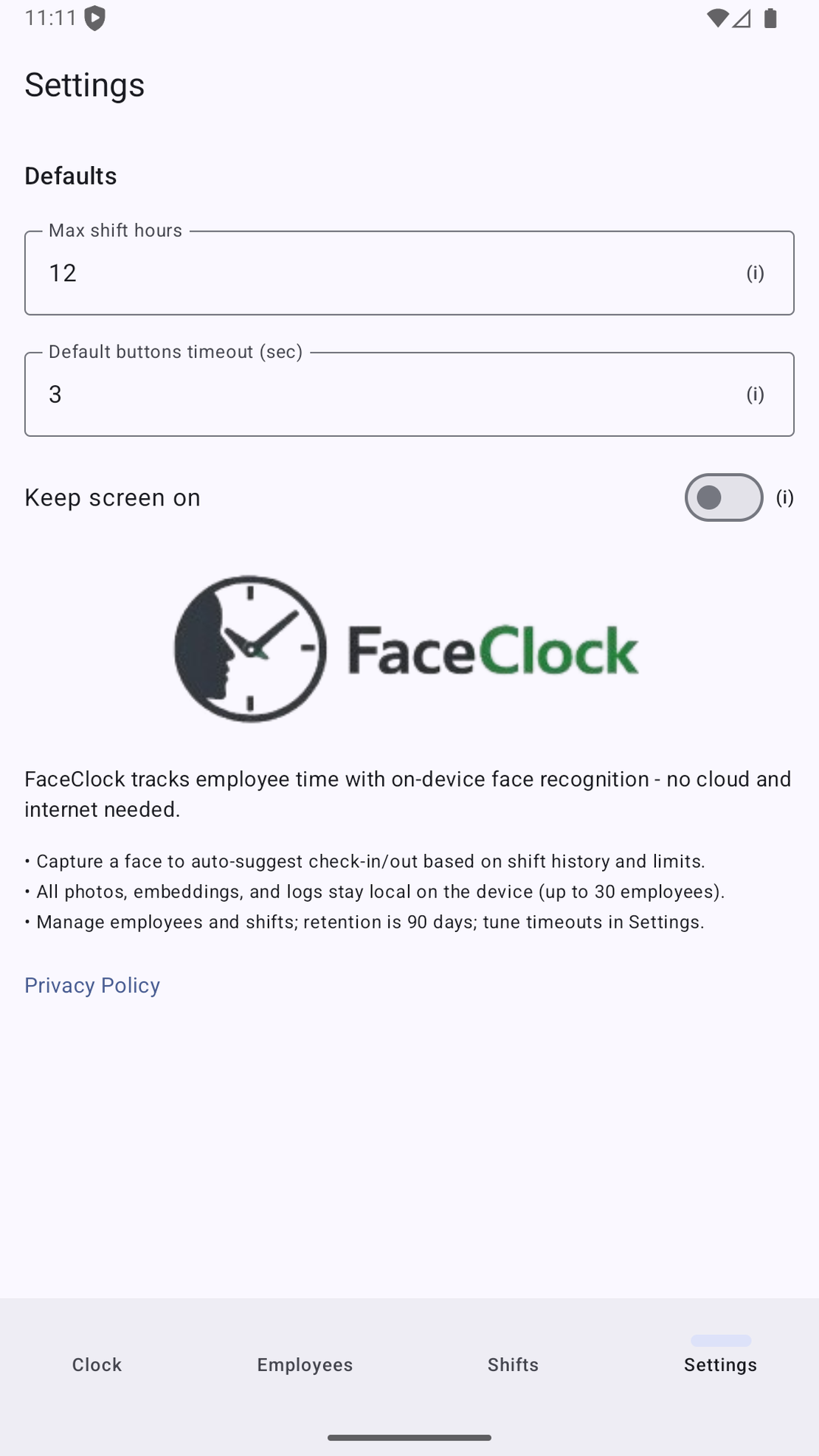
Biometric time clocks and the law - GDPR, BIPA, CCPA, and what 'on-device only' actually means
This article exists because I keep getting the same email. It usually starts: “We were thinking of using a face recognition time clock, but our HR person flagged that we’d have to comply with [law]. Is that going to be a nightmare?”
Read More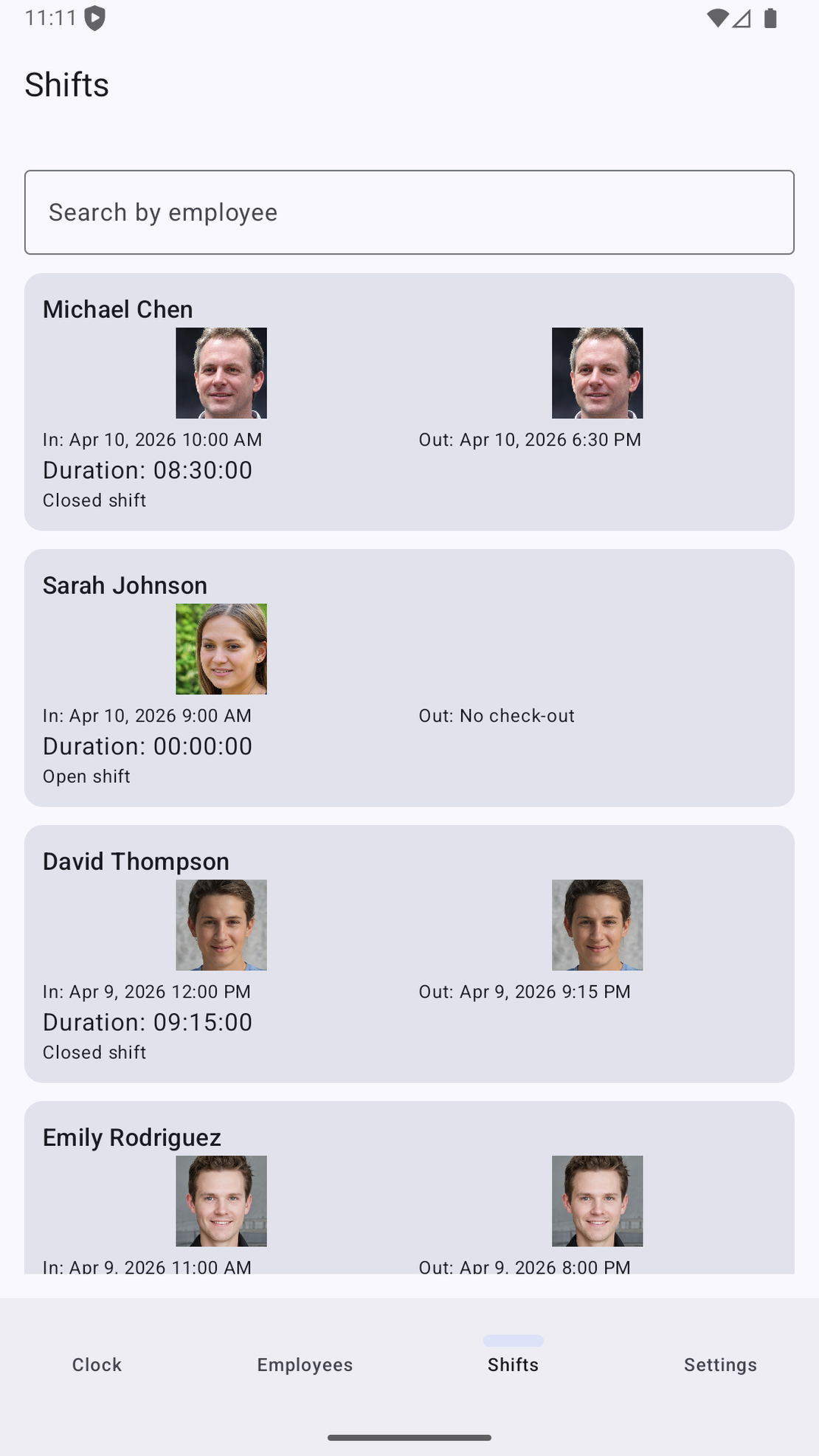
How to track employee hours without sending a single byte to the cloud
There’s a quiet assumption baked into almost every time-tracking product on the market: that an employee’s clock-in event is a piece of data that should be uploaded somewhere. Usually to the vendor’s cloud. Sometimes mirrored across three regions for “redundancy.” Often retained indefinitely under a vague “as long as needed for the service” clause.
Read More