Guides
- Home /
- Categories /
- Guides
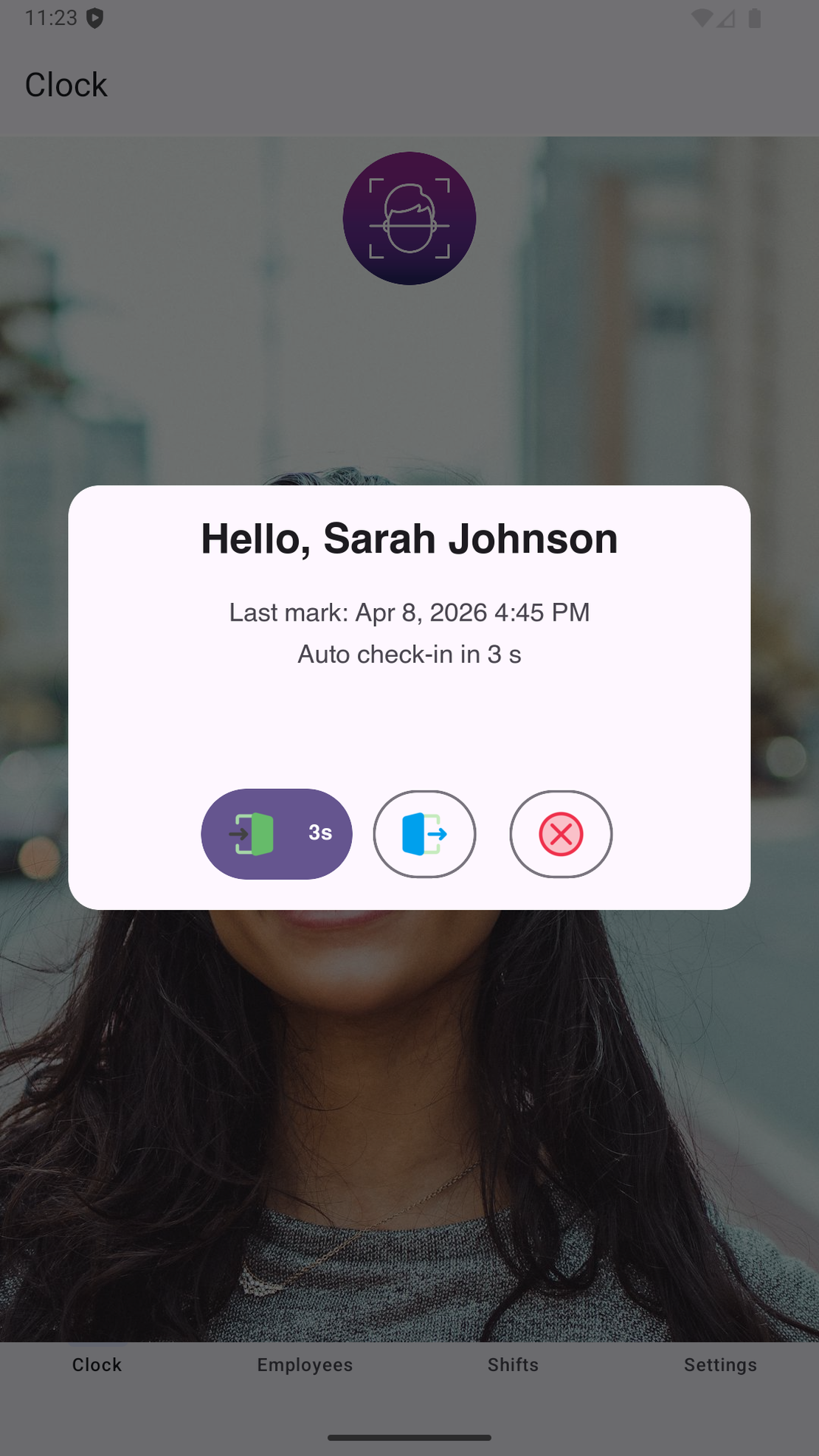
Facial recognition time clocks - how they work and what to check before you pick one
A facial recognition time clock does one job: someone stands in front of a camera at the start of a shift, the system works out who it is, and a timestamp goes into a log. Same at the end.
Read More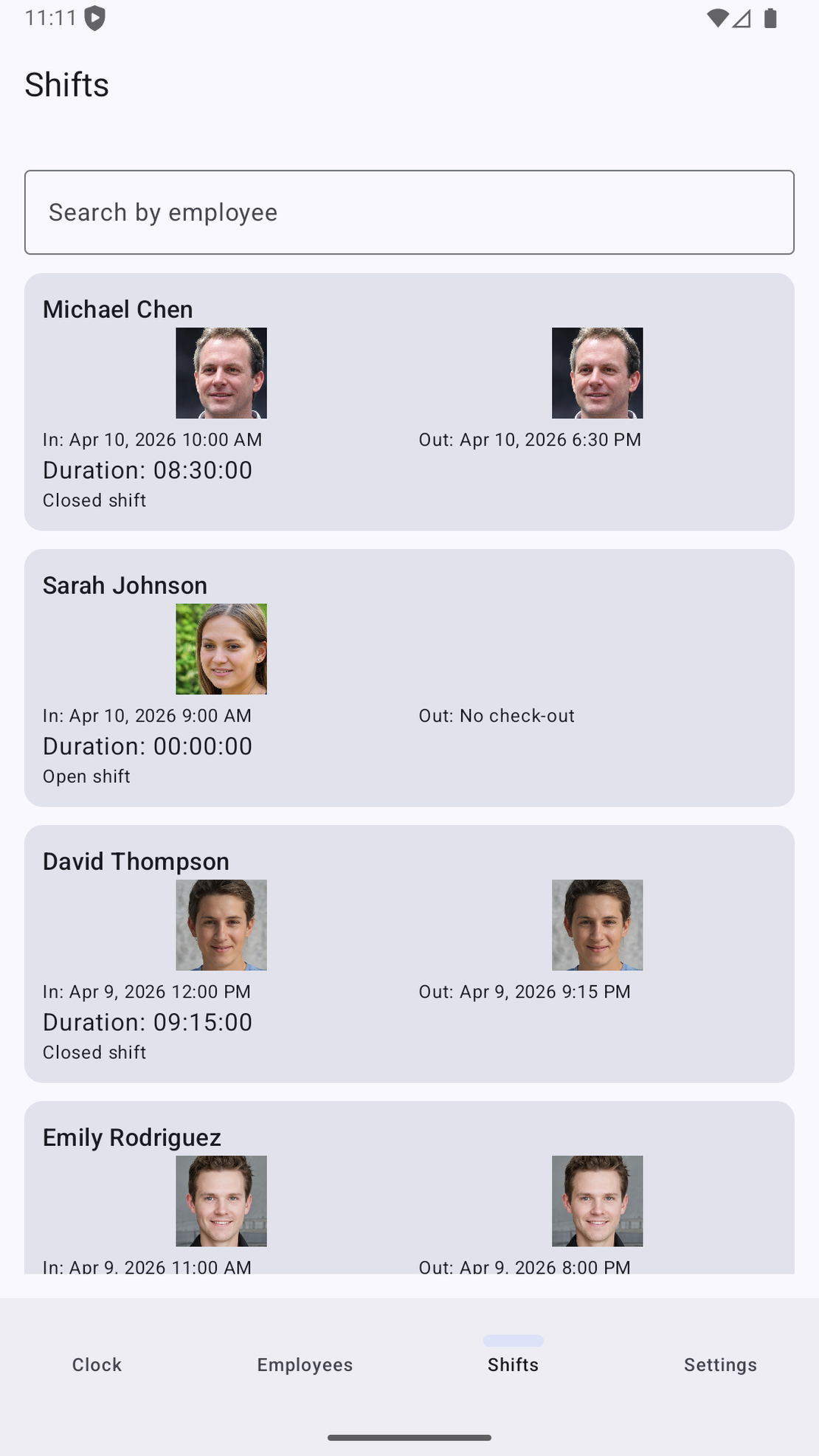
The fundamentals of shift scheduling - what every small-team manager learns the hard way
The first time I ever made a shift schedule for a small team, I made every classic mistake in about three days. I scheduled someone for a shift that started thirty minutes after their previous one ended, in the same week. I forgot that the law in our jurisdiction required at least 11 hours of rest between shifts. I assumed that if someone clocked in at 11 p.m. and clocked out at 7 a.m., that was eight hours - which it is, but the payroll system disagreed because the shift “spanned two days” in the wrong way. I learned what “split shift premium” meant the day someone politely asked why their pay envelope was light. I had a schedule that looked clean on paper and produced two grievances in week two.
Read MoreHow to track employee hours without sending a single byte to the cloud
There’s a quiet assumption baked into almost every time-tracking product on the market: that an employee’s clock-in event is a piece of data that should be uploaded somewhere. Usually to the vendor’s cloud. Sometimes mirrored across three regions for “redundancy.” Often retained indefinitely under a vague “as long as needed for the service” clause.
Read More